Translated by Althamar of Stoink, Sage of Dead Tongues (c. 534 CY)
Taranep of the High Scriptorium was not the first to write of the Shademasters’ order, but he was the last to write with fear. His words survive in soot-stained vellum, blackened tablets, and wall inscriptions scattered through the ruins of Shar-Ankuraat. What follows are the four most complete fragments, together painting a picture of a people who bent shadow to their will — and were broken by it.”
Fragment I — On the Cycle of Years
“So the years turn as the Shademasters have decreed: First Light is for planting, Obelisk for building, Ash for punishment, Bones for remembrance, Serpent for culling, Wane for feasting, Whispers for listening, and Eclipse for ending. Eight years, eight doors, eight shadows cast upon the world. When the eighth closes, the cycle burns away the old, and we begin anew. Thus shall it be until the Final Eclipse swallows the sun and shadow is full.”
Scholarly Note:
This fragment is the basis of what we call the Ur-Flan Cycle of the Eclipse. The eight-year calendar structured every aspect of civic life — harvests, law, even death sentences — and culminated in a Year of the Eclipse marked by mass rites.
Fragment II — On the Sekkirmaat
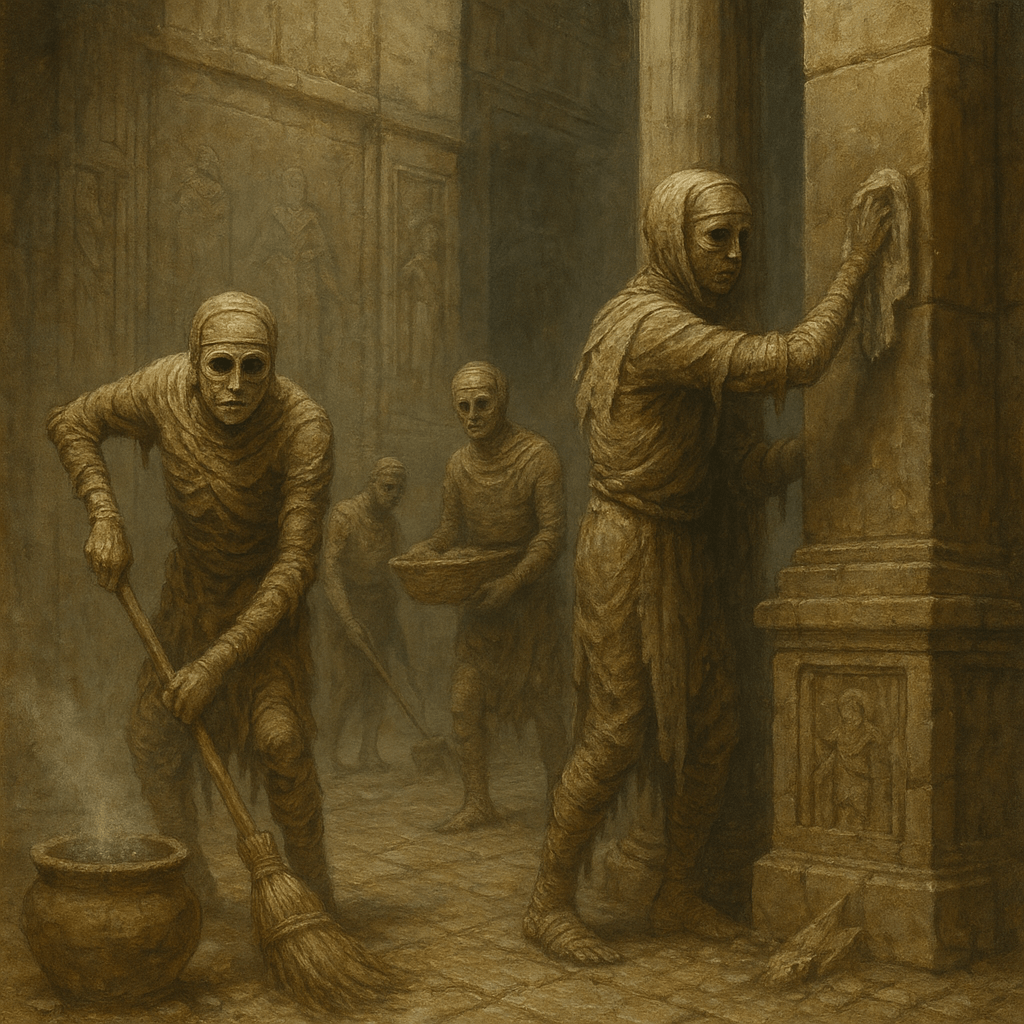
“Justice now serves beyond the noose. The condemned are struck with the black draught so their flesh is unspoiled, and their bodies made ready with oils and sigils. They are bound as Sekkirmaat — the Shadow-Bound. Seven cycles shall they serve, till they are led to the Netherwell. So they pay their debt twice: first with their breath, then with their bones.”
Scholarly Note:
This is the most complete account of the Skyyrmat (Sekkirmaat) system. Evidence suggests Shar-Ankuraat maintained over 20,000 such undead at its height. The practice normalized necromancy, leading to its expansion from capital punishment to debt servitude and labor conscription.
Fragment III — On the Netherwell
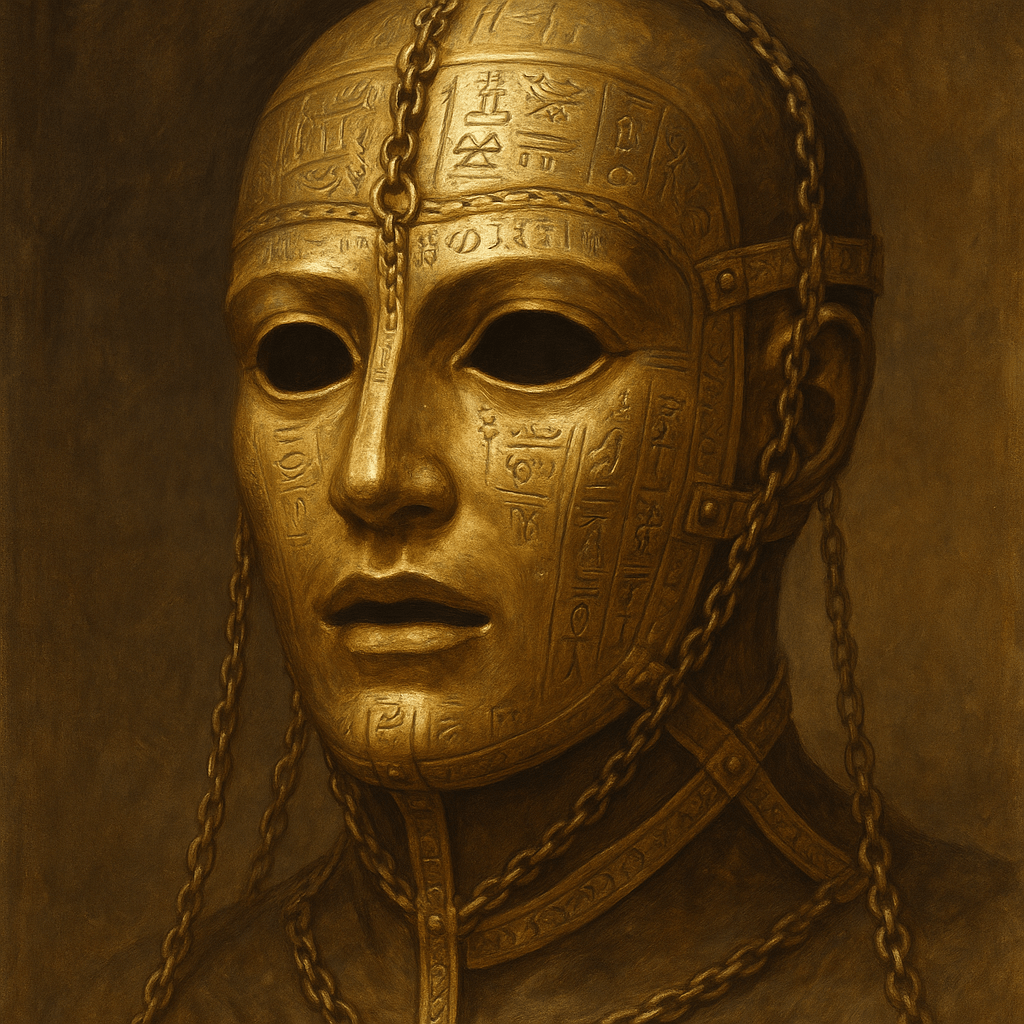
“Death is the tax all mortals pay — the Netherwell lets us collect. There, in the heart of the Dreaming City, the shadows are fed and the city is cleansed. At the Eighth Eclipse the banners of Ash and Bone are raised, and the condemned are hurled into the void. Their fragments fall into the Deep, and their screams are the hymn of the city. So is the debt balanced.”
Scholarly Note:
This passage makes explicit the civic and religious significance of the Netherwell. Far from a grim curiosity, it was the focal point of the city’s justice system and the final step of the eight-year cycle.
Fragment IV — On Ar-Nammash
“I have walked the streets of the older city, the City of Whispers, and heard the voice of the shadow. There the tombs came before the halls, and the kings are seated still, though their flesh is dust. The obelisks there cast shadows though no sun has touched them in ten thousand years. It waits. It watches. Those who leave are never free of its whisper.”
Scholarly Note:
This is the only first-person account we have of Ar-Nammash, the rift-city where Ur-Flan shadow rites were first discovered. It hints that even at the height of Shar-Ankuraat’s power, the older city was feared and left largely untouched — perhaps a warning the Shademasters ignored.
Althamar’s Commentary on the Fragments of Taranep
(Collected in the Lexicon Necropolae, 536 CY)
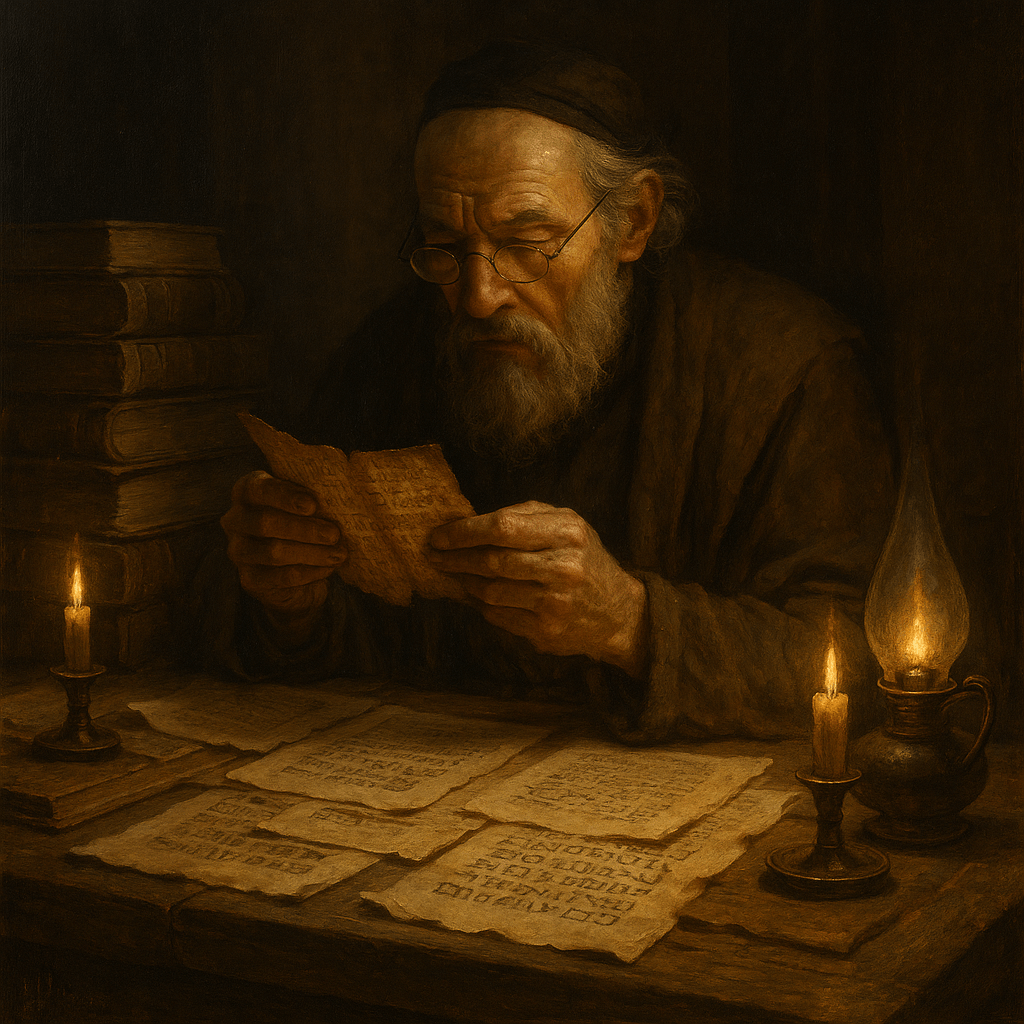
“These are my conclusions after long study of the Emakhet Flan and the soot-stained tablets of Taranep. I have walked the ruins of Shar-Ankuraat, and in dreams I have glimpsed the streets of Ar-Nammash. If my words seem fearful, know that they are meant to be — for the Ur-Flan were not merely a people of the dead, but a people who made death their servant, and then its servant in turn.”
On the Measure of Time
“The Shademasters bent the heavens to their will, dividing the years into eight cycles — each named for an omen, each closing with the Year of the Eclipse. Time itself became a ritual, and every man and woman lived beneath a calendar that reminded them they would one day pay their due. The cycle was not merely a count of days —
it was a spiritual engine, drawing their world closer to shadow with each passing year.”
On Justice and the Sekkirmaat
“No death was wasted in the Dreaming City. The condemned were struck with alchemical poison so their flesh would not spoil. Their bodies were inscribed with sigils and raised as Sekkirmaat, the Shadow-Bound. For seven years they served — tilling the fields, repairing walls, standing watch — until they were led to the Netherwell to pay the last part of their debt. Justice did not end with the gallows; it ended only when the void was fed.”
On the Netherwell
“I have stood at the rim of that shaft and felt the pull of its hunger. The Shademasters called it mercy, for it freed the dead from their bondage. They called it justice, for it cleansed the city of guilt. They called it necessary, for it kept the shadow at bay. But I tell you this: whatever they cast into that blackness, it was not the shadow that was satisfied — it was the shadow that was fattened.”
On the Older City
“Taranep wrote of Ar-Nammash with a trembling hand. Even at the height of Shar-Ankuraat’s power, the older city was avoided, its obelisks and tombs left to watch in silence. It is said the kings buried there are still seated, though their flesh is dust, and that their shadows lean long toward the Dreaming City. Perhaps it was a warning, perhaps a promise. Perhaps the Ur-Flan knew they would one day follow their ancestors into that eternal night.”
Althamar’s Final Judgment
“The Ur-Flan believed they had mastered death. They built laws, calendars, and cities around this belief. But their mastery was an illusion, for every debt they collected drew them closer to the very thing they sought to tame. In the end, it was not their enemies who unmade them — it was the shadow they had fed until it was full.”
 Greywolf Comics & Media